
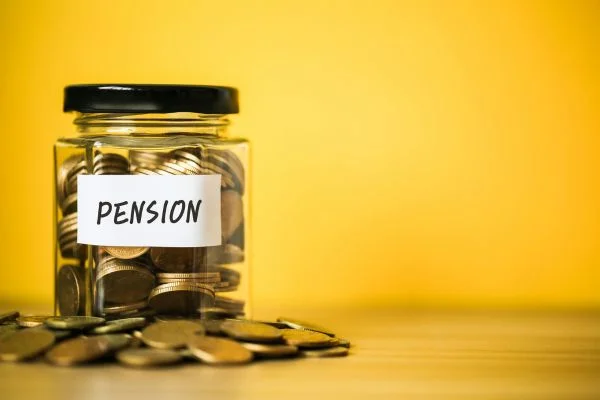

Why Pensions Shouldn't Be Forgotten During Divorce

A pension can be easy to overlook because, unlike money sitting in a savings account, you may not be able to access it for many years.
That doesn’t make it unimportant.
MoneyHelper warns that pensions may be among a couple’s biggest assets and can sometimes be worth more than the home.
This can become particularly important where one person has:
- a large workplace pension
- a defined benefit or final salary pension
- several pensions from previous employers
- significantly greater retirement savings
- spent considerably longer in employment
- remained in full-time work while the other cared for children
Simply ignoring the pensions and dividing everything else may therefore create a very different financial position for each person later in life.
How Do You Find Out What Your Pensions Are Worth?
Before meaningful discussions can take place, you generally need a clear picture of your financial circumstances.
For pensions, this may include obtaining a Cash Equivalent Transfer Value (CETV) from pension providers.
MoneyHelper recommends requesting a CETV for divorce or dissolution purposes and notes that more complicated pension arrangements may benefit from assessment by a Pension on Divorce Expert (PODE).
During financial mediation, you may therefore need to gather information relating to:
✓ Workplace pensions
✓ Private/personal pensions
✓ Defined contribution pensions
✓ Defined benefit/final salary pensions
✓ Pensions already in payment
✓ Relevant State Pension information
✓ Other savings, investments and assets
✓ Private/personal pensions
✓ Defined contribution pensions
✓ Defined benefit/final salary pensions
✓ Pensions already in payment
✓ Relevant State Pension information
✓ Other savings, investments and assets
Your mediator can help identify what information needs to be available for productive discussions, but a mediator does not replace specialist legal, pension or regulated financial advice.
What Are the Options for Dealing With Pensions in Divorce?
There isn’t necessarily one solution that works for every separating couple.
Broadly, pensions can be dealt with through pension sharing, pension attachment or pension offsetting, and in some circumstances a combination may be considered.
Pension Sharing
A Pension Sharing Order divides an agreed percentage of pension benefits so that the receiving person obtains pension rights in their own name.
This can provide greater financial independence after divorce because the pension credit becomes separate from the former spouse’s pension arrangements.
HMRC confirms that pension sharing allows one party to acquire a share of the value of the other’s pension rights as part of a divorce or civil-partnership dissolution settlement.
Pension Offsetting
Pension offsetting means the pensions remain with their existing owners, but their value is taken into account when dividing other assets.
For example, one person might retain more pension while the other receives a greater proportion of another asset.
This can sound straightforward, but comparing a pension that may not be accessible for years with property or cash available today can be complicated.
Pension Attachment
A Pension Attachment Order can provide for part of a person’s future pension and decide what will be paid to their former spouse or civil partner.
Unlike pension sharing, the pension isn’t separated in the same way, and payments can remain dependent upon what happens with the original pension.
Which option may be appropriate?
That’s precisely why pensions shouldn’t be considered in isolation.
Mediation can help you discuss the whole financial picture, while independent legal, financial and pension specialists can provide the professional advice you need when appropriate.